
Blogs
Common Reasons Printers Stop Printing and How to Check Them
Common Reasons Printers Stop Printing and How to Check Them
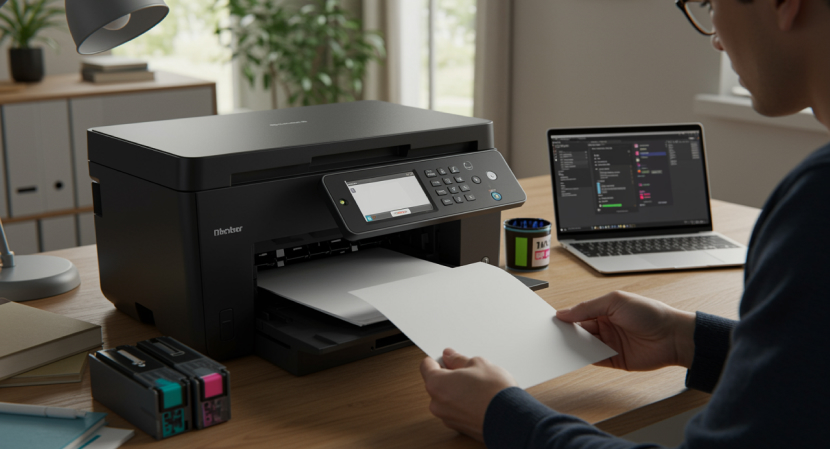
When a printer suddenly stops working, it might get in the way of daily duties and confuse. In a lot of cases, the problem isn't a big one; it's just a little setting, connection issue, or detail that was missed. Knowing why printers stop working might help users figure out what's wrong and take action to fix it.
Verifying Power and Fundamental Connections
When a printer stops working, the first thing to do is make sure it is turned on and connected correctly. Loose power cords or outlets that aren't stable can still cause problems even when the indicator lights are on. The USB cable should be securely linked to both the printer and the computer if the printer is connected using USB. When using a wireless printer, you need to make sure that it is still connected to the right network. Changes to Wi-Fi settings, restarting the router, or losing the signal for a short time can all stop print jobs from getting to the printer.
Problems with Paper and Trays
Printers often cease working because of difficulties with paper. The printer may stop working if the tray is empty, the paper is loaded incorrectly, or the paper size settings are not right. If a printer sees a paper mismatch or obstacle, it may not continue. Users should take out the paper tray, look for sheets that are stuck or not lined up correctly, and then put in more paper according to the manufacturer's instructions. Making sure that the paper guides are set up appropriately helps avoid problems with feeding.
Ink or Toner Detection Issues
If the printer can't find the ink cartridges or toner, it can stop printing. If the cartridges aren't inserted correctly or the protective seals aren't completely removed during installation, this can happen. Cartridges that are just partially placed can stop the printer from printing. When ink or toner levels are low, printers may stop printing for a while. Some models need a particular level to be recognized before they may continue printing, even though it may still be possible.
Errors in the Print Queue and Job
The print queue is very important for how print jobs are handled. A print job that is blocked or broken can stop other processes from happening. This happens a lot when a job is stopped or fails in the middle of it. You can fix this problem by clearing the print queue and restarting the printer. Users should also make sure that the right printer is set as the default device, especially if there is more than one printer in the same area.
Conflicts Between Drivers and Software
Printer drivers let the printer and the operating system talk to each other. Print commands may not go through correctly if drivers are old, missing, or not compatible. Sometimes, software changes can break drivers, which can stop printing from working. Often, reinstalling or updating the right driver version from the manufacturer's official website might fix communication problems and printing problems.
Network and Connectivity Interruptions
For wireless printers to work, the network has to be steady. The printing process can be stopped by temporary network failures, poor signals, or changes to the router's settings. If the printer seems like it's online but doesn't reply, the connection can still be bad. It is important to make sure that the printer and the computer are both linked to the same network. Restarting network devices can help fix temporary problems and refresh the connection.
Printer Preferences and Status Indicators
When something stops printing, printers often show status messages or error messages. These alerts could mean that there are problems like open covers, maintenance needs, or actions that need to be taken. Looking at the printer's display or software notifications can help you figure out what needs to be done before printing can start again.
Small Checks Can Fix Printing
If your printer stops working, you can frequently fix it by checking the basics like settings, supplies, and connections. Users can find and fix frequent problems without becoming too upset by going through the steps of checking the power, paper, ink, software, and network conditions. A thorough approach helps get printing back to normal and keeps daily tasks flowing smoothly..